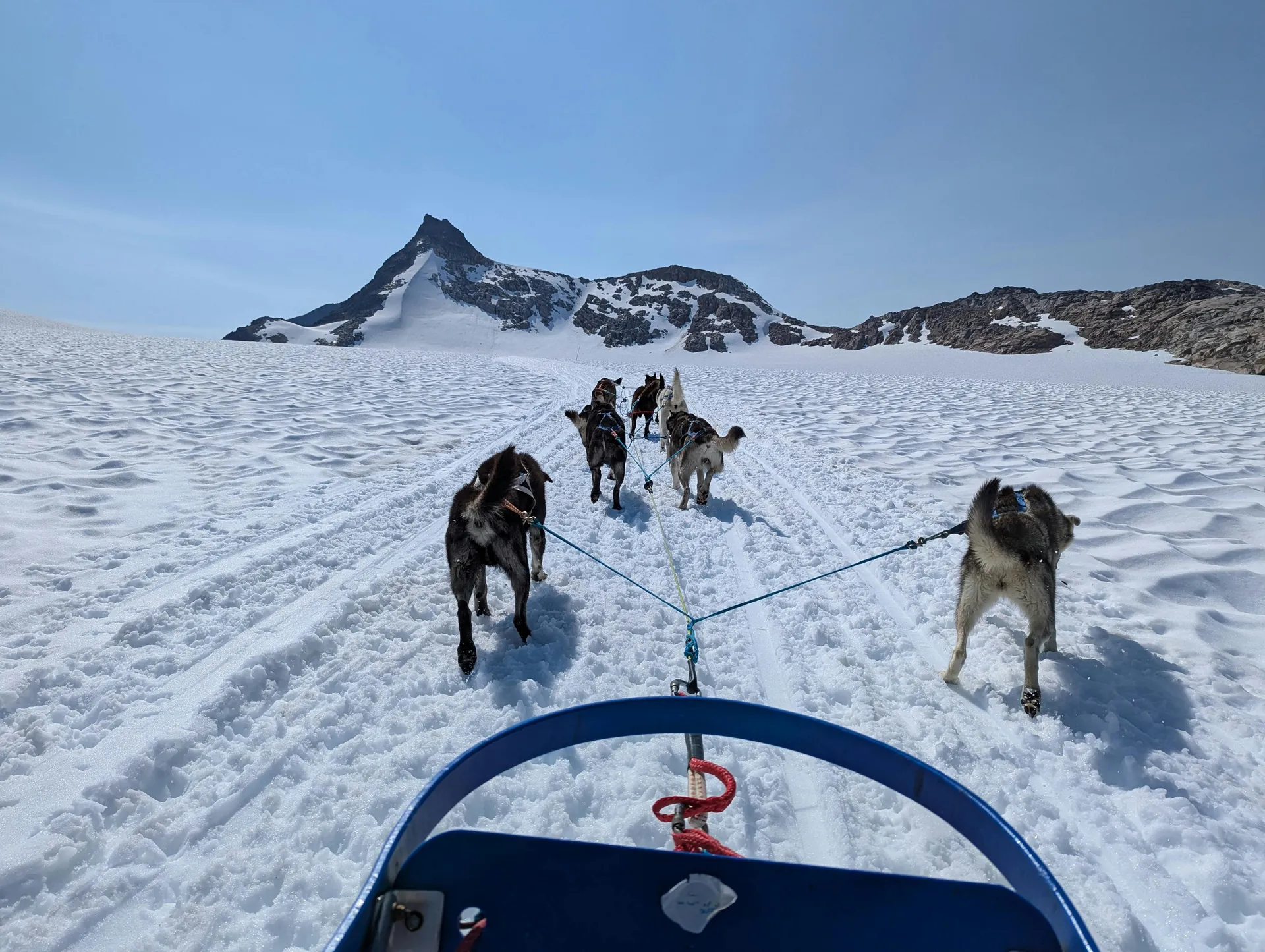
Alaska Dog Sledding: Key Takeaways & Booking Essentials
- ❄️ Winter Season Alert (Nov–Apr): Snow trails in Fairbanks, North Pole, and Willow are active now. Peak dates (Thanksgiving, Christmas/New Year, and February–March Iditarod season) sell out 3–6 weeks in advance due to strict daily kennel caps.
- 💵 Real Price Benchmarks: Traditional winter trail rides start from $115–$199/person (Fairbanks/North Pole); self-drive mushing lessons in Willow start from $179/person; high-altitude glacier helicopter flights start from $629/person. For an itemized breakdown of gear fees, tipping etiquette, and regional comparisons, see our Alaska Dog Sledding Prices & Budget Guide.
- 🛡️ Zero-Risk Cancellation: All recommended tours on GetYourGuide and Viator feature 24-hour free cancellation with 100% refund protection if your flights or cruise schedules change.
-
🏆 Top Flagship Recommendations:
- Best Value Winter Ride: Fairbanks 1-Hour Alaskan Winter Dog Sledding (from $115) →
- Best for Night Skies: Fairbanks Dog Sledding & Mushing Experience (from $199) →
- Best Hands-On Mushing: Willow Iditarod Trail: Drive Your Own Team (from $179) →
- Premier Glacier Helicopter Flight: Knik River Glacier Dog Sledding with Helicopter (from $629) →
Compare Top-Rated Alaska Dog Sledding Tours
Select from verified champion kennels across Interior Alaska, the Anchorage Mat-Su Valley, and alpine glacier camps.
| Tour Feature |
GetYourGuide ★ Best Value Pick Fairbanks 1-Hour Winter Sledding |
GetYourGuide ★ Aurora Special Fairbanks Night & Aurora Mushing |
Viator ★ Drive Your Own Willow Iditarod Trail Hands-On |
GetYourGuide ★ Bucket List Knik Glacier Helicopter Landing |
|---|---|---|---|---|
| Base Location | Fairbanks / North Pole | Fairbanks (Interior) | Willow (Mat-Su Valley) | Palmer / Knik Glacier |
| Experience Type | Traditional snow trail ride behind champion sprint huskies | Evening trail run under the Aurora Borealis + warm yurt | Hands-on mushing: step on the runners & drive your own team | Alpine helicopter flight + high-elevation snowfield dog camp |
| Duration | 1 Hour | 2.5 – 3 Hours | 2 Hours | 2.5 Hours |
| Season Window | Winter (Nov – Apr) | Winter (Nov – Apr) | Winter (Dec – Apr) | Year-Round / Summer |
| Key Inclusions | Musher guide, sled gear, warm boots, kennel visit | Night trail ride, heated yurt, hot cocoa, free photos | Musher coaching, team harnessing, self-drive sled | Helicopter flightseeing, glacier over-boots, mushing lap |
| Review Rating | ⭐⭐⭐⭐⭐ 4.8 (140+ reviews) | ⭐⭐⭐⭐⭐ 4.9 (280+ reviews) | ⭐⭐⭐⭐⭐ 5.0 (290+ reviews) | ⭐⭐⭐⭐⭐ 4.9 (180+ reviews) |
| Cancellation | ✓ Free (24h notice) | ✓ Free (24h notice) | ✓ Free (24h notice) | ✓ Free (24h notice) |
| Price per Person | $115.00 | $199.00 | $179.00 | $629.00 |
| Booking Action | Check Availability | Check Availability | Check Availability | Check Availability |
Alaska Mushing Trail Weather & Live Conditions
Live temperature feeds across Alaska’s three primary mushing sectors. Dog sledding runs smoothly down to -25°F (-31°C); below -35°F kennels cancel for canine respiratory safety.
📅 Check Winter Season Live Dates & Openings: GetYourGuide Live Calendar
Use the calendar below to check real-time availability for the Fairbanks winter dog sledding run:
The Two Distinct Mushing Seasons: Winter Snow vs. Summer Glaciers
A widespread misconception among first-time Alaska travelers is that dog sledding requires sub-zero winter temperatures. In reality, Alaska operates on a dual-season mushing calendar. Choosing the right season determines your geography, your budget, and the physical nature of your experience.
1. The Classic Winter Snow Season (November 15 – April 15)
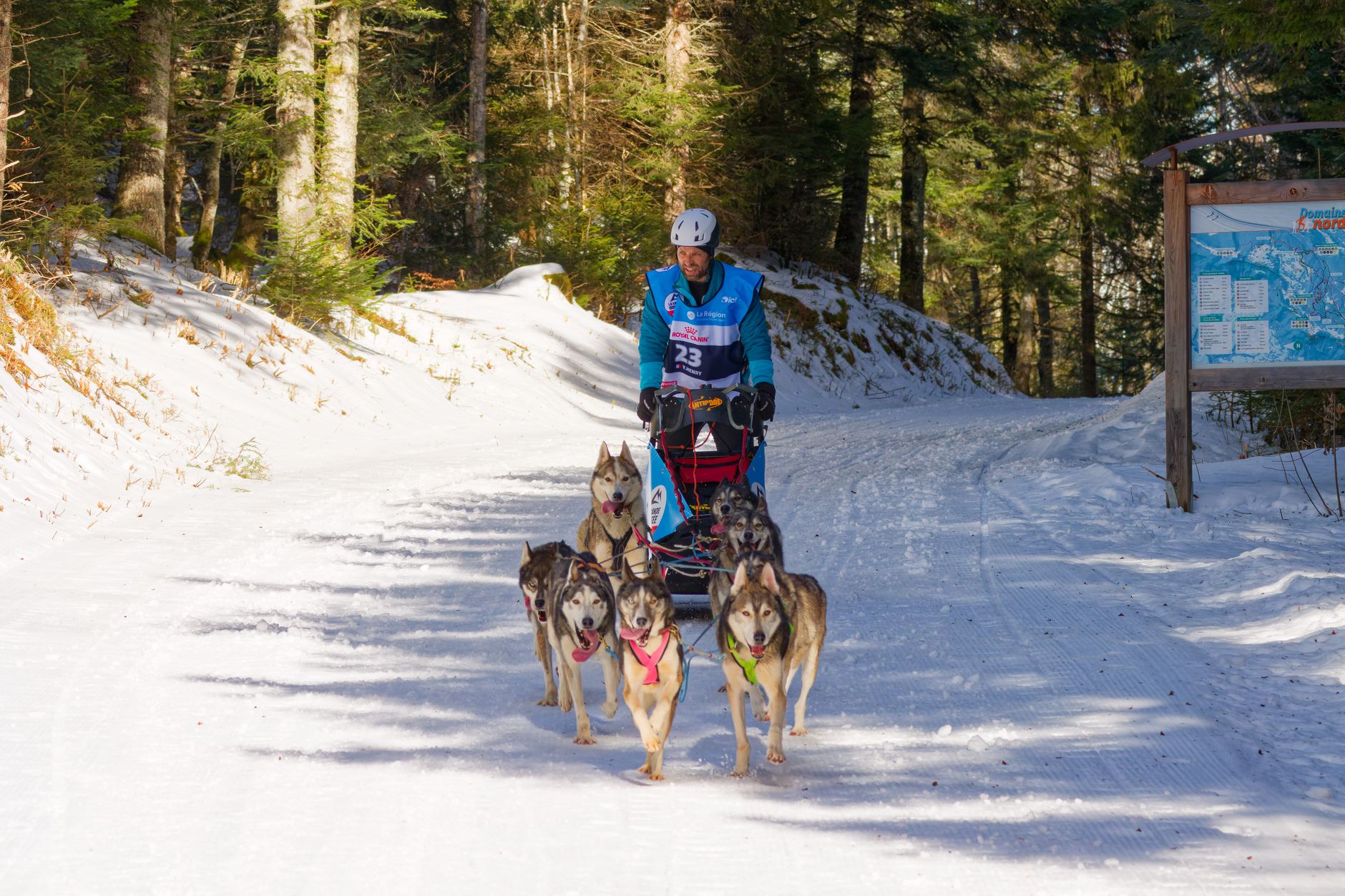
Winter is the purist’s domain. Operating across the vast interior forests around Fairbanks and the frozen river corridors of Willow and the Matanuska-Susitna Valley, winter mushing places you on traditional ash-wood or composite runners gliding over natural, packed snowpack. Temperatures range from 20°F down to -25°F (-6°C to -31°C).
Winter tours offer unique advantages found nowhere else on earth: running teams in pitch darkness under the shimmering green ribbons of the Aurora Borealis, feeling the sheer raw acceleration of sprint huskies when the temperature drops, and the rare opportunity to step onto the runners and drive your own team. Tour prices during the winter season are exceptionally accessible, starting from $115.00 to $199.00 per person.
2. The Summer Glacier Helicopter Season (May 15 – September 15)
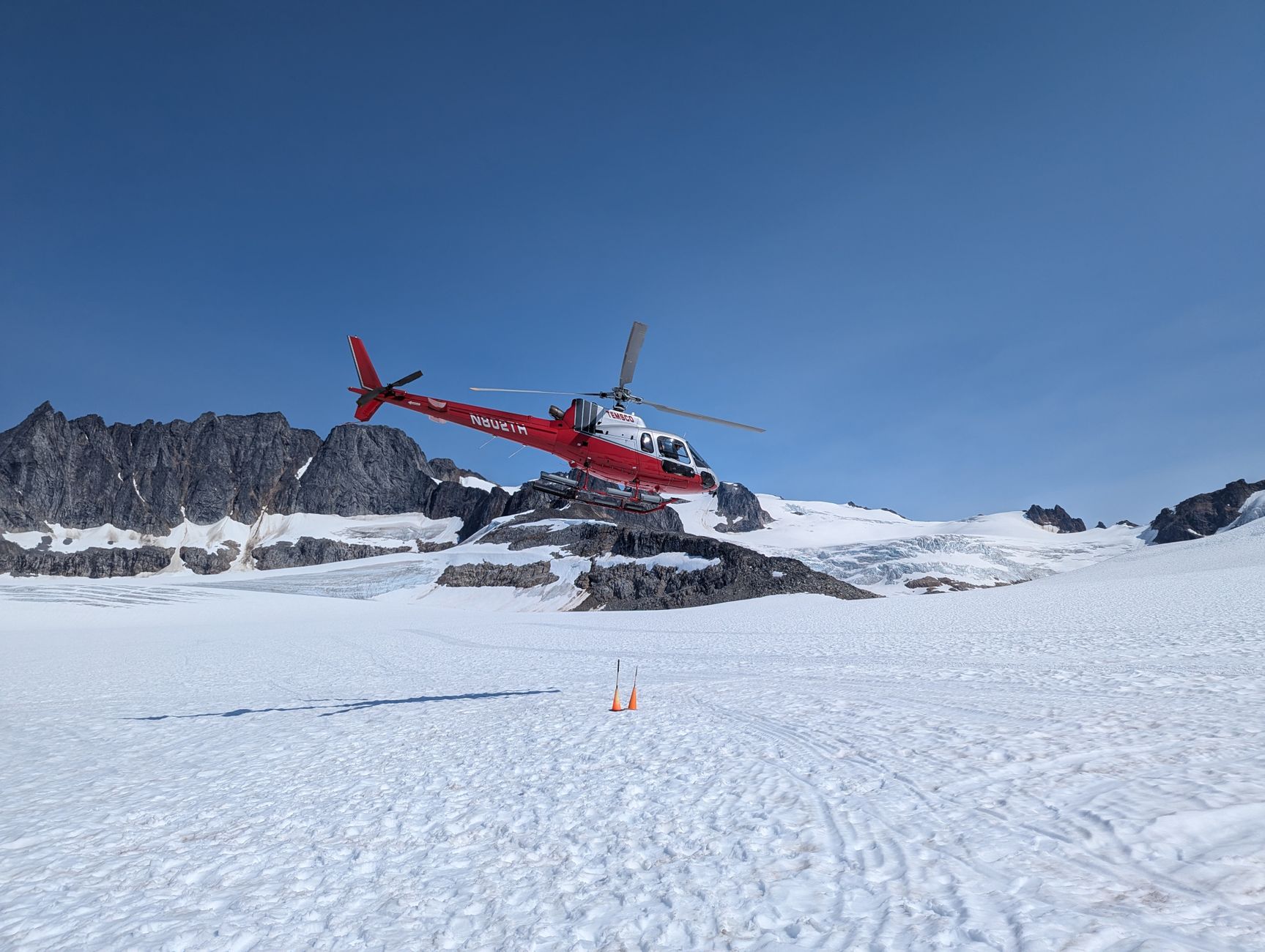
When sea-level snow melts in late April, competitive racing kennels transition their operations to high-altitude icefields. Sled dogs are flown by helicopter to permanent snow camps perched at 3,000 to 5,000 feet above sea level on glaciers such as the Herbert and Mendenhall Glaciers in Juneau, the Denver Glacier in Skagway, the Godwin Glacier in Seward, and the Knik Glacier near Palmer.
In these alpine bowls, snow remains packed and frozen throughout July and August. Summer glacier tours combine panoramic helicopter flightseeing over deep blue crevasses with real snow sledding. While an iconic adventure, glacier tours carry premium pricing (typically $625.00 to $699.00 per person) and depend heavily on VFR (Visual Flight Rules) helicopter weather clearances.
3. Fall Dryland Cart Training (September – October)
During the shoulder autumn months, before lakes freeze and snow blankets the valleys, racing teams must condition their athletes. Kennels in Willow and Fairbanks harness teams of 12 to 16 dogs to wheeled training carts or specialized side-by-side ATVs. For budget travelers visiting in September, wheeled cart tours provide the exact same canine energy and kennel socialization at a fraction of glacier tour costs.
Regional Mushing Hubs: Where to Book in Alaska
Alaska spans over 663,000 square miles. Deciding where to book depends directly on your arrival gateway and seasonal travel route.
Fairbanks: The Aurora & Cold-Weather Capital
Situated in the Tanana Valley within the heart of the Auroral Oval, Fairbanks is widely recognized as the sled dog capital of North America. Because interior Alaska experiences bone-dry continental cold and minimal coastal wind, snow quality remains consistent from early November straight through April. Famous for the 1,000-mile Yukon Quest international sled dog race, Fairbanks kennels specialize in night-time aurora mushing tours, sprint kennel demonstrations in North Pole, and immersive day tours with heated Mongolian yurts and hot spruce-tip tea.
Anchorage & Willow: The Heart of the Iditarod
While downtown Anchorage hosts the roaring, festival-like Ceremonial Start of the Iditarod along 4th Avenue every March, the true backcountry mushing takes place 70 miles north in Willow. Willow boasts the highest concentration of competitive racing kennels in the world. It is the premier destination in Alaska for travelers who want to do more than sit passively in a sled basket: here, certified mushing schools and veteran Iditarod finishers teach you commands (“Gee” for right, “Haw” for left, “Whoa” to stop), how to balance on the runners, and how to control your team through rolling birch and spruce trails.
Juneau, Skagway & Seward: Cruise Passenger Gateways
For visitors arriving by cruise ship along the Inside Passage, time in port is strictly limited. Juneau provides the most streamlined logistics: tour operators collect passengers directly from the cruise ship docks (Franklin Street, Steamship Wharf, or AJ Dock) and transfer them 15 minutes to the heliport for immediate departure to Herbert Glacier. In Skagway, tours combine the historic Gold Rush Klondike trail with high-altitude sled dog camps atop Denver Glacier.
Featured Mushing Experiences
Explore hand-selected, verified expeditions across Alaska’s leading commercial kennels:


Sub-Zero Trail Survival: How to Dress for -30°F on the Trail
When riding in an open sled basket or standing on the runners behind a 12-dog team moving at 12 to 14 mph, windchill dramatically compounds ambient temperatures. A calm -10°F day instantly feels like -35°F (-37°C) once you are in motion. Proper layering is not a matter of style; it is essential safety.
The 3-Layer Rule for Alaskan Mushing:
- Base Layer (Moisture-Wicking): 100% Merino wool (250g+ heavyweight) or technical thermal synthetics (Capilene). Strictly zero cotton: cotton traps perspiration, freezes against skin, and triggers rapid hypothermia.
- Mid-Layer (Insulation): Heavyweight fleece jacket or 800-fill down/primaloft puffer jacket, accompanied by fleece-lined wind-resistant pants.
- Outer Shell (Wind & Snow Barrier): A windproof, waterproof, breathable parka with a natural coyote fur or faux-fur ruff. Fur ruffs create a micro-climate of stagnant air around your face, preventing frostbite on cheeks and nose.
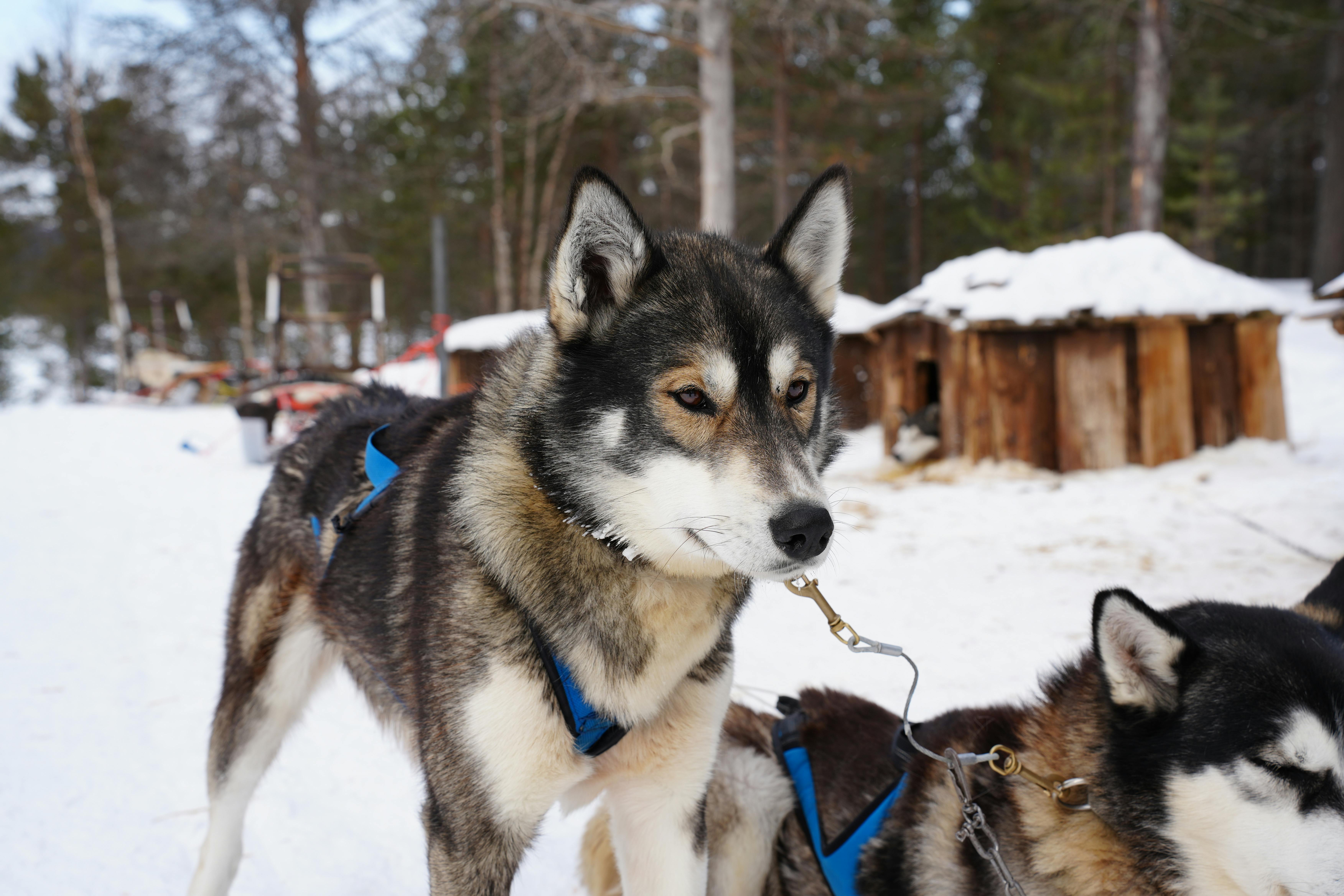
Footwear & Extremities: Regular city winter boots fail within 15 minutes on frozen runners. You require extreme cold-weather boots rated to -40°F (such as Sorel Glacier XT, Baffin Impact, or military surplus “Bunny Boots”). Fortunately, most reputable outfitters in Fairbanks and Willow provide commercial-grade insulated over-boots and heavyweight beaver-fur or synthetic mittens as part of your tour fee.
Camera & Phone Survival: Modern lithium-ion smartphone batteries lose voltage and instantly shut down within 3 to 5 minutes of direct exposure to sub-zero Alaskan air. Keep your phone inside an interior zippered pocket close to your chest heat. Pack chemical hand warmers (HotHands) directly behind your phone case, and never attempt to charge a freezing battery on the trail.
Canine Welfare, Nutrition & The Ethics of Alaskan Mushing
For discerning travelers, animal welfare is understandably paramount. Commercial dog sledding in Alaska is governed by strict ethical standards rooted in centuries of Indigenous Athabascan and Inupiaq culture, as well as formal veterinary protocols established by the Iditarod Trail Committee.
The Alaskan Husky: A Genetic Miracle of Endurance
Contrary to Hollywood depictions, the vast majority of working sled dogs in Alaska are neither purebred Siberian Huskies nor massive Alaskan Malamutes. They are Alaskan Huskies, a specialized performance breed refined over generations for cardiovascular endurance, efficient thermal regulation, and an innate, joyful desire to run. As noted in our Alaskan Sled Dog Breeds Guide, these canine athletes possess an aerobic capacity (VO2 max) roughly three times greater than that of elite human marathon runners.
12,000 Calories a Day: The Athlete’s Diet
During active winter training, a working 50-pound Alaskan husky consumes between 10,000 and 12,000 calories per day. Their diet consists of premium high-fat kibble blended with raw human-grade beef, wild Alaskan salmon, lamb fat, and warm broth hydration soups fed before and after every run. Dogs love running because it is their hardwired biological imperative; witnessing 30 dogs barking, jumping, and lunging into their harnesses in eager anticipation of departure is one of the most unforgettable moments of any kennel visit.
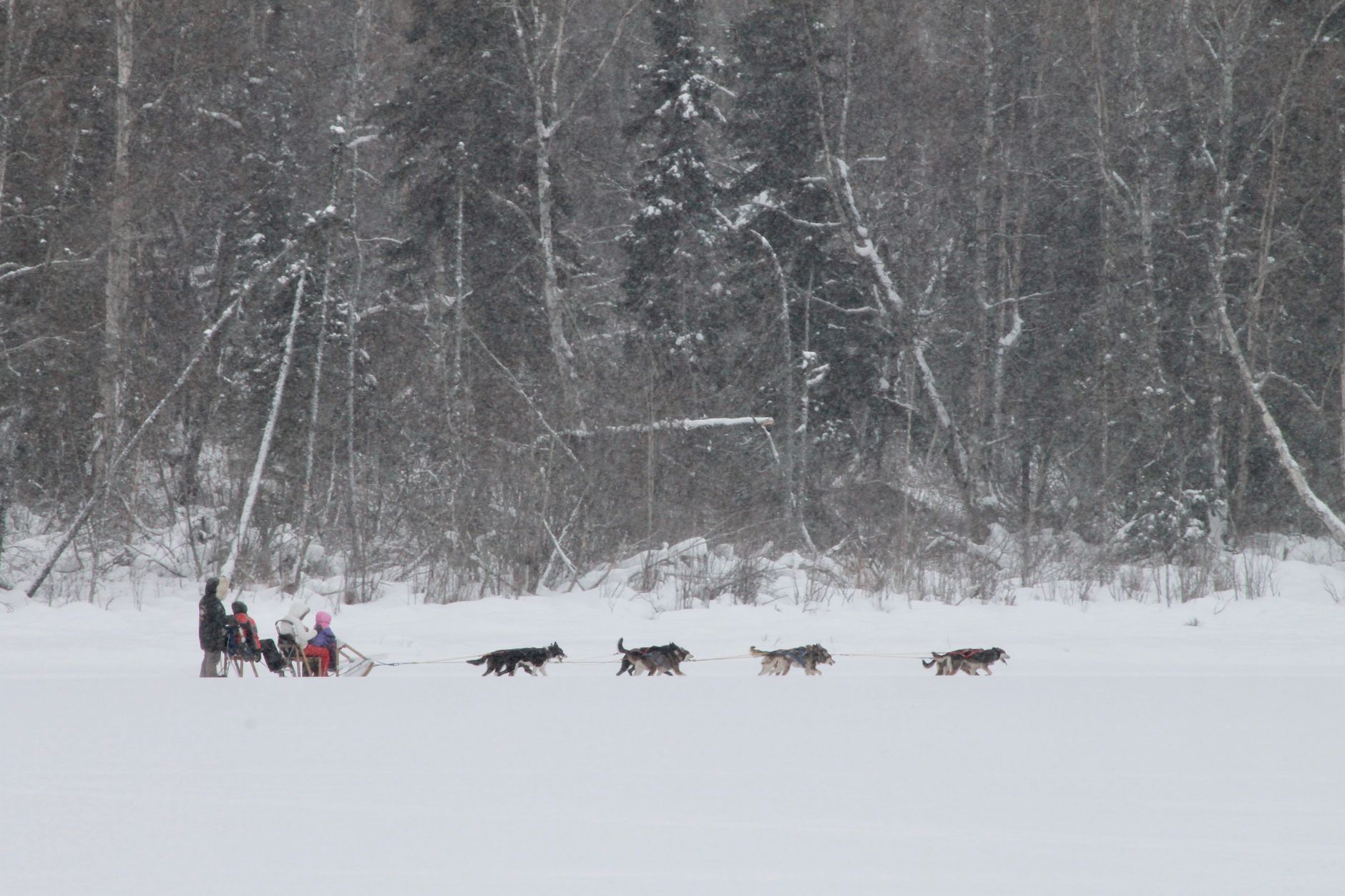
Booties, Mandatory Vet Checks & Retirement
To protect paws from abrasive frozen trail crust and snowpack balling between pads, mushers equip every dog with four durable cordura or polar-fleece booties. Kennels maintain strict work-to-rest ratios: dogs run in rotations and never exceed safe workload thresholds. When dogs reach senior age (typically 9 to 11 years), reputable outfitters transition them into gentle socialization roles or facilitate adoption into loving indoor family homes through programs like the Augustine Sled Dog Sanctuary.
⚠️ Red Flags & What to Avoid When Booking
To guarantee an authentic, ethical, and safe expedition, keep these four critical caveats in mind:
Frequently Asked Questions: Alaska Dog Sledding Dilemmas
Editorial Staff & Local Alaskan Guides
Written and curated by lifelong Alaskan outdoor journalists and veteran dog handlers based between Fairbanks and the Mat-Su Valley. Our reviews are independent, fact-checked against certified Iditarod kennel standards, and updated weekly throughout the active mushing season.